Welcome to WordPress. This is your first post. Edit or delete it, then start writing!
Author: tasteaza1710
-
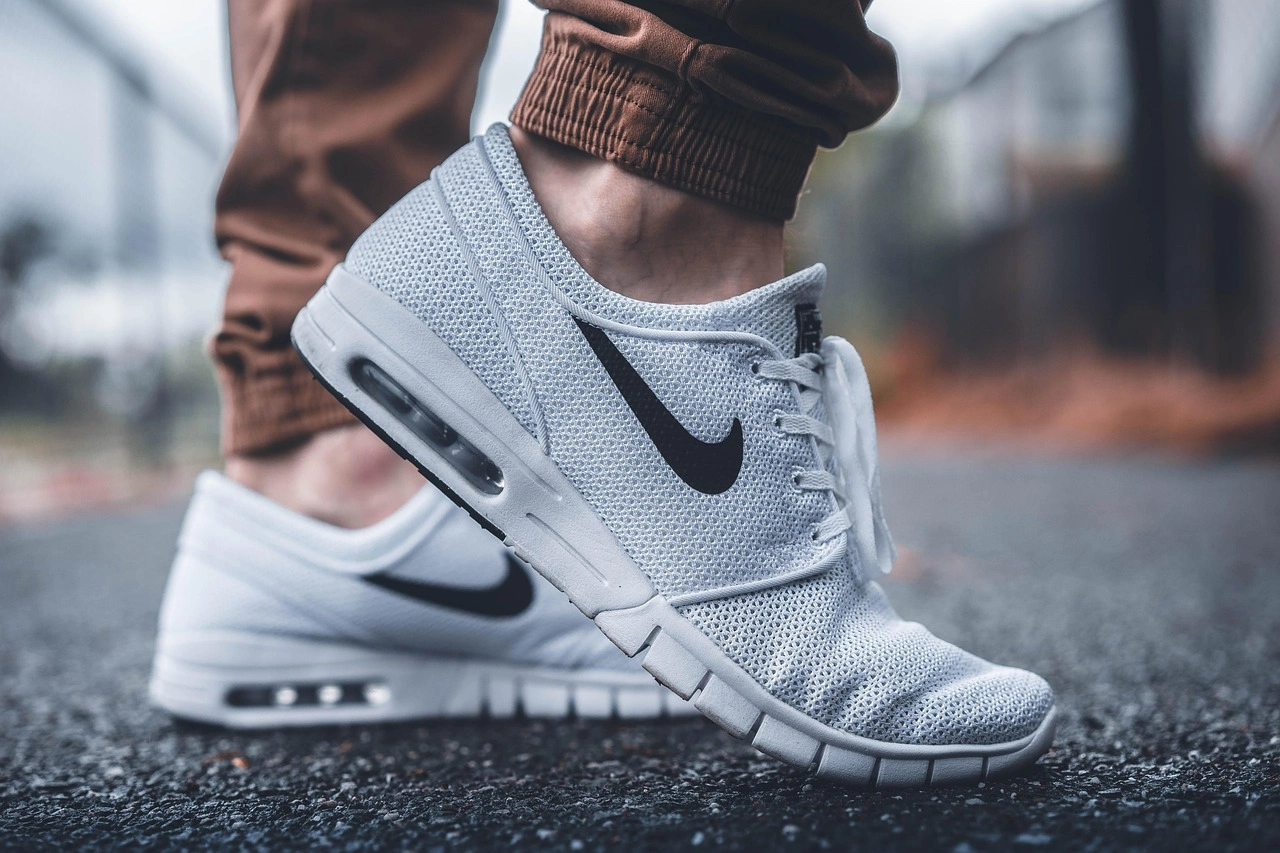
The Evolution of the White Sneaker: From Athletic Performance to Urban Essential
There is perhaps no item in a man’s wardrobe more versatile, iconic, or debated than the white sneaker. Once reserved strictly for the tennis courts and running tracks, the white sneaker has successfully infiltrated every level of fashion, from high-street casual to the high-stakes boardroom. As seen in our featured image, modern footwear has evolved to offer a seamless blend of technical performance and aesthetic minimalist appeal.
In this deep dive, we will explore why breathable mesh sneakers are the ultimate choice for the modern city dweller, how to style them across different environments, and the rigorous maintenance required to keep them looking “box-fresh.”
1. The Technology of Comfort: Mesh and Cushioning
The sneaker pictured isn’t just a fashion statement; it is a piece of bio-mechanical engineering. For anyone who spends hours on their feet—whether commuting through the city or hitting the gym—the technology inside the shoe matters.
- Breathable Mesh Upper: Unlike traditional leather sneakers, mesh uppers allow for maximum airflow. This prevents heat buildup, keeping your feet cool and reducing the likelihood of moisture-related discomfort during long walks.
- Responsive Cushioning: Notice the visible air or foam units in the sole. This technology is designed to absorb the impact of every step on hard asphalt, protecting your joints and providing that “walking on clouds” sensation.
- Lightweight Construction: Modern materials have allowed manufacturers to strip away unnecessary weight. A lighter shoe means less fatigue at the end of the day, making these the perfect travel companions.
2. Styling the White Sneaker: A Versatile Powerhouse
The beauty of a clean white sneaker lies in its neutrality. It acts as a blank canvas for the rest of your outfit. Here is how to master the look in various scenarios:
The Weekend Casual Pair your sneakers with cuffed jogger pants (as seen in the photo) or slim-fit chinos. This creates a sporty, relaxed silhouette that is perfect for errands, casual hangouts, or a light workout. Keep your socks “no-show” to emphasize the clean lines of the shoe’s opening.
The “High-Low” Office Look Can you wear white sneakers to work? Absolutely. The trick is contrast. Pair your pristine white kicks with tailored navy trousers and a crisp button-down shirt. The sneakers “dress down” the trousers, making you look approachable yet professional.
The Summer Vibe White sneakers and shorts are a match made in heaven. Opt for tailored cotton shorts that hit just above the knee. This look is timeless and works for everything from a beachside dinner to a rooftop party.
3. Why White? The Psychological Impact of Clean Footwear
White footwear sends a specific message to the world. It suggests cleanliness, attention to detail, and a certain level of confidence. Because white is the hardest “color” to keep clean, wearing it shows that you take pride in your appearance and are willing to put in the effort to maintain your gear. In the world of street style, a scuff-free white sneaker is often viewed as a badge of honor.
4. The Anatomy of a Street Style Icon
If you look closely at the image, you’ll see the intricate weave of the fabric and the precision of the stitching. This “street style” aesthetic is defined by its ability to look fast and functional. The aggressive sole profile combined with the sleek upper creates a dynamic look that suggests movement. Even when you are standing still, these shoes look like they are ready to run.
5. Maintenance: The “Holy Grail” of Sneaker Care
Owning white sneakers is a responsibility. Nothing ruins a sharp outfit faster than yellowed soles or grey-stained mesh. To keep your pair looking like they just came out of the box, follow this professional maintenance routine:
- Pre-Wear Protection: Before you wear them for the first time, spray them with a high-quality water and stain repellent. This creates an invisible barrier that makes it much easier to wipe off dirt later.
- The “Spot Clean” Method: After every wear, use a soft-bristled brush or a damp microfiber cloth to remove surface dust. For the white rubber soles, a “magic eraser” can work wonders on stubborn scuff marks.
- Deep Cleaning Mesh: Unlike leather, mesh can trap dirt inside the fibers. Every few months, use a specialized sneaker cleaning solution and a soft brush to gently foam out the embedded grime.
- The “No-Dryer” Rule: Never, under any circumstances, put your sneakers in a tumble dryer. The heat can warp the glue and cause the soles to separate or the mesh to shrink. Always air dry them in the shade.
6. Sustainable Strides: The Future of Footwear
The footwear industry is increasingly moving toward sustainability. Many of the mesh fabrics seen in modern sneakers are now crafted from recycled ocean plastics or post-consumer polyester. By choosing a high-quality pair that is built to last, you are moving away from the “fast fashion” cycle of frequent replacements, which is better for both your wallet and the planet.
7. Investing in Your Feet
While it can be tempting to buy the cheapest pair of sneakers available, your feet will pay the price in the long run. Professional-grade footwear, like the model in our image, provides the arch support and heel stability necessary to prevent long-term issues like plantar fasciitis. Think of your sneakers as an investment in your daily health and comfort.
Conclusion
The white mesh sneaker is the ultimate “chameleon” of the modern wardrobe. It bridges the gap between the athlete and the urbanite, providing the performance needed for the track and the style required for the street. Whether you are pairing them with joggers for a morning coffee run or styling them with trousers for a creative meeting, these shoes ensure you are always putting your best foot forward.
Ready to step into the future of comfort? Check out our latest arrivals in the footwear section. From ultra-breathable mesh to classic leather silhouettes, find the pair that speaks to your style.
-
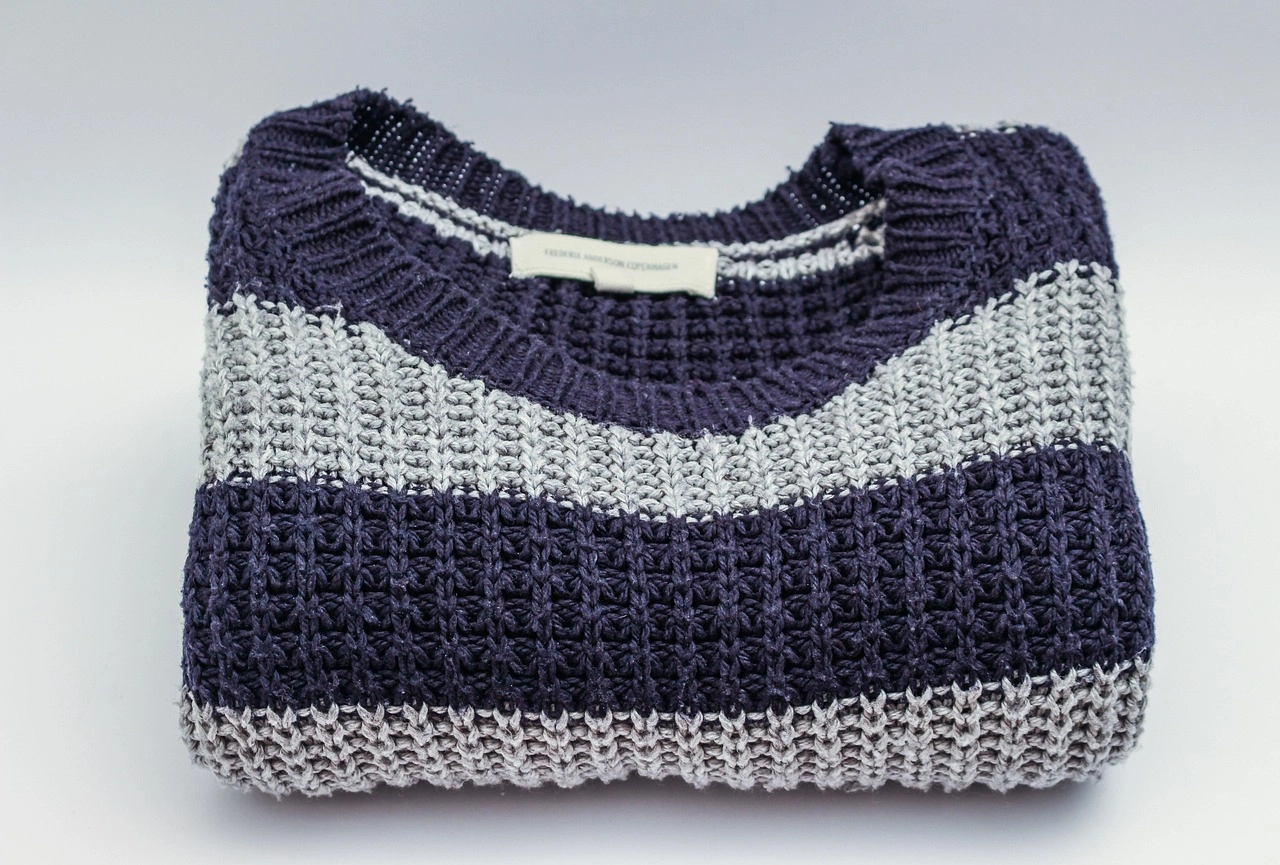
The Art of the Knit: Why a Textured Striped Sweater is Your New Wardrobe Essential
When the temperature begins to dip and the leaves start to turn, there is one garment that stands above the rest in terms of both comfort and style: the knit sweater. However, not all knits are created equal. As seen in our featured collection, the navy and grey striped textured sweater represents a perfect blend of timeless maritime aesthetics and modern textile engineering.
In this comprehensive guide, we will explore why the textured knit is a superior choice to flat knits, how to style horizontal stripes without fear, and how to care for your premium wool blends to ensure they last for many winters to come.
1. The Power of Texture: More Than Meets the Eye
At first glance, a sweater is just a sweater. But a closer look at a “waffle” or “honeycomb” knit—like the one pictured above—reveals a complex landscape of loops and ridges. This texture serves two primary purposes:
- Thermal Efficiency: The raised patterns in a textured knit create thousands of tiny “air pockets.” These pockets trap your body heat, acting as a natural insulator while still allowing the fabric to breathe. This makes it far more effective at temperature regulation than a standard, flat-woven cotton shirt.
- Visual Depth: Flat colors can sometimes look dull under artificial lighting. A textured knit, however, catches the light at different angles, creating shadows and highlights that give your outfit a premium, three-dimensional look.
2. Mastering the Horizontal Stripe
There is an old fashion myth that horizontal stripes make a person look wider. In reality, it all comes down to scale and contrast. The navy and heather grey stripes in our collection are designed with a specific “rhythm” that draws the eye across the chest, emphasizing the shoulders and creating a balanced silhouette.
The secret to wearing stripes in a professional or smart-casual setting is to keep the rest of the outfit muted. Because the sweater is a “statement piece” with its bold pattern and rich texture, your trousers should be solid colors—think dark indigo denim, charcoal chinos, or even wool dress pants in a matching navy.
3. Versatility Across the Seasons
One of the greatest strengths of a striped knit like this is its versatility. It is not just a winter piece; it is a three-season workhorse.
- Early Autumn: Wear it as an outer layer over a simple white t-shirt. The navy blue tones pair perfectly with the golden hues of fall.
- Mid-Winter: Use it as a mid-layer. The texture looks fantastic peeking out from under a heavy wool overcoat or a rugged parka. The crew neck allows you to wear a collared shirt underneath, with the collar neatly tucked in for a preppy, scholarly vibe.
- Spring Mornings: As the frost thaws, this sweater becomes the perfect alternative to a jacket. It’s heavy enough to block a cool breeze but light enough to carry if the afternoon sun gets too warm.
4. Why Navy and Grey? The Ultimate Color Pairing
In menswear, navy and grey are considered the “power couple” of colors. Navy blue brings a sense of authority and classic maritime heritage, while heather grey provides a modern, neutral balance. Together, they create a palette that is universally flattering for all skin tones.
Furthermore, these colors are “low-maintenance.” Unlike white or very light beige knits, navy and grey are excellent at hiding minor creases or the occasional dust spec, making them ideal for travel or long days at the office.
5. Fabric Intelligence: Choosing the Right Blend
When you feel the weight of a premium knit, you are feeling the quality of the fibers. Our sweaters focus on a blend that offers the best of both worlds:
- Softness: We utilize fine-grade wool or premium cotton blends to ensure there is zero “itch factor” against the skin.
- Durability: A small percentage of high-quality synthetic fibers is often added to the knit to help the sweater retain its shape. This prevents the “baggy elbow” effect that plagues 100% natural knits after a few wears.
6. Maintenance: How to Wash and Store Your Knits
A high-quality sweater is an investment. If you treat it well, it will look new for five to ten years. Here are the golden rules of knitwear care:
- Never Hang Your Sweaters: Hanging a knit sweater on a coat hanger is the fastest way to ruin it. Gravity will pull the shoulders out of shape, creating unsightly “hanger bumps.” Always fold your sweaters neatly, as shown in our product image, and store them on a shelf.
- The “Cold and Slow” Wash: If you must machine wash, use a mesh laundry bag, cold water, and a wool-specific detergent. Never put a knit sweater in the dryer; the heat will shrink the fibers and destroy the texture. Instead, lay it flat on a towel to air dry.
- Depilling: Over time, friction may cause small balls of fluff (pills) to form. A simple battery-operated fabric shaver or a cedar sweater stone will remove these in seconds, restoring the crisp look of the knit.
7. The Sustainable Choice
In a world of “disposable fashion,” a well-made knit sweater is an eco-friendly choice. By investing in a high-quality piece that doesn’t fall apart after three washes, you are reducing your fashion footprint. A classic striped design never goes out of style, meaning you won’t feel the need to replace it when next year’s trends arrive.
Conclusion
The navy and grey striped sweater is more than just a piece of clothing; it is a sanctuary of warmth and a pillar of style. Whether you are walking through a city park or sitting in a high-stakes board meeting, this sweater provides the comfort you need and the sophistication you deserve.
Discover your perfect fit today. Browse our full collection of textured knits and find the piece that will keep you cozy and sharp all season long.
-

The Modern Gentleman’s Guide to Mastering the Smart-Casual Wardrobe
In the ever-evolving world of men’s fashion, one term seems to spark more confusion than any other: “Smart-Casual.” It is the bridge between the formal rigidity of a three-piece suit and the relaxed, everyday comfort of a t-shirt and jeans. For the modern man, mastering this middle ground is essential. Whether you are heading to a creative office, a weekend brunch, or a first date, the ability to look polished without appearing “stiff” is a superpower.
As we see in our featured image, a well-curated boutique offers more than just clothes; it offers the building blocks of an identity. Let’s dive deep into how you can build a versatile smart-casual wardrobe that works for your body type, your lifestyle, and your professional ambitions.
1. The Foundation: Understanding Fit and Fabric
Before you even look at colors or brands, you must understand fit. A smart-casual outfit lives or dies by its silhouette. Even the most expensive wool blazer will look sloppy if the shoulders are too wide or the sleeves are too long.
In a professional setting, aim for a “slim” or “tailored” fit. This doesn’t mean tight; it means the clothing follows the natural lines of your body without excess fabric bunching up. Take a look at the gentleman in the photo: his grey turtleneck and textured blazer fit perfectly, creating a sharp, intelligent look that feels effortless.
Fabric choice is equally important. Smart-casual is the perfect time to experiment with textures. Instead of the shiny, smooth fabrics of formal wear, opt for:
- Tweed or Flannel: Perfect for blazers and trousers in cooler months.
- Merino Wool: Ideal for lightweight sweaters and turtlenecks that layer beautifully.
- Oxford Cloth: The gold standard for shirts that look great tucked or untucked.
2. The Power of Layering
One of the most effective ways to elevate a simple outfit is through layering. Layering adds depth and visual interest to your look. In the featured image, the combination of a high-neck turtleneck under a textured sports coat is a classic example of sophisticated layering.
The key to successful layering is varying the weights of the fabric. Start with a thin base layer (like a cotton tee or a fine-knit sweater) and add a heavier outer layer (like a denim jacket, a trench coat, or a wool blazer). This not only keeps you prepared for changing temperatures but also allows you to remove a layer and still look like you have a complete, thought-out outfit.
3. Essential Pieces Every Man Should Own
To achieve the look seen in high-end boutiques, you don’t need a thousand items. You need the right ten items. Here are the pillars of the smart-casual style:
- The Unstructured Blazer: Unlike a suit jacket, an unstructured blazer lacks heavy shoulder padding. It’s softer, more comfortable, and pairs just as easily with chinos as it does with dark denim.
- Dark Wash Denim: Leave the ripped, faded jeans for the weekend. A pair of deep indigo or black denim jeans can pass for trousers in many professional environments.
- The Neutral Turtleneck: As demonstrated by the gentleman in our boutique shot, a grey or navy turtleneck is an instant “IQ booster” for your wardrobe. It looks sophisticated and works perfectly under a jacket.
- Quality Eyewear: Never underestimate the power of accessories. A pair of well-fitted, stylish glasses can frame your face and serve as the ultimate finishing touch to a smart-casual ensemble.
4. Color Palettes: Moving Beyond Black and White
While black and white are safe, the smart-casual aesthetic thrives in the “in-between” colors. Think of earth tones, greys, and blues.
- Earth Tones: Olive green, camel, and burgundy are excellent for adding warmth to your look.
- The Grey Scale: From charcoal to light heather grey, these tones are the most versatile for mixing and matching.
- The “Pop” of Color: If you want to stand out, use a bright color sparingly—perhaps in a pocket square, a watch strap, or a pair of socks.
5. The Role of the Boutique Experience
In an age of fast fashion and endless online scrolling, the physical boutique experience remains invaluable. Stepping into a store allows you to feel the weight of the fabric, see the true color under natural light, and—most importantly—receive expert advice.
A good boutique consultant understands proportions. They can tell you if a lapel is too wide for your frame or if a trouser length needs a slight hem. The smile on the face of the shopper in our photo reflects the confidence that comes from finding the perfect piece in an environment that values quality over quantity.
6. Footwear: Completing the Silhouette
You can get everything else right, but the wrong shoes will ruin the entire look. For smart-casual, you want to avoid both the overly athletic sneaker and the overly shiny tuxedo shoe.
Consider these options:
- Chelsea Boots: Sleek, iconic, and incredibly versatile.
- Leather Loafers: Great for a slightly more “preppy” or summer-leaning smart-casual look.
- Clean White Sneakers: Yes, you can wear sneakers, provided they are leather, minimalist, and perfectly clean.
7. Confidence: The Final Layer
The most important part of any outfit is the man wearing it. Smart-casual fashion is designed to make you feel comfortable in your own skin. When you aren’t worried about a tie being too tight or your pants being too baggy, your personality shines through.
Fashion is a language. By choosing a smart-casual wardrobe, you are telling the world that you are professional, approachable, and attentive to detail. You are showing that you respect the occasion enough to dress up, but you are confident enough to keep it relaxed.
Conclusion
Building a wardrobe like the one seen in our boutique image doesn’t happen overnight. It is a process of curation. Start with the basics, focus on the fit, and don’t be afraid to invest in quality pieces that will last for years. Whether you are browsing the racks of a local boutique or building your look online, remember that style is a journey, not a destination.
Is your wardrobe ready for an upgrade? Visit our store today to explore our latest smart-casual collection and find the pieces that will define your signature style this season.
-

The Ultimate Guide to Choosing the Right Technical Backpack faor High-Altitude Trekking
When you are standing at the base of a mountain, looking up at a trail that disappears into the clouds, your equipment is more than just “stuff”—it is your lifeline. Among the various pieces of gear a hiker carries, the backpack (or carrier) is arguably the most critical. It houses your shelter, your food, your water, and your safety kit. But more importantly, the way it carries that weight determines whether your journey will be a triumph or a grueling test of physical pain.
In this guide, we dive deep into why technical backpacks, like the vibrant red model featured in our latest collection, are essential for serious adventurers. We will explore the anatomy of a great pack, the importance of visibility, and how to pack for maximum efficiency.
1. The Science of Load Distribution
The human body is not naturally designed to carry 15–20kg on its back for ten hours a day. This is where high-end technical backpacks prove their worth. A “dummy” pack might look the part, but a professional carrier is an engineered tool.
The primary goal of a technical backpack is to shift approximately 80% of the weight from your shoulders to your hips. Your legs are the strongest muscles in your body; your shoulders and spine are vulnerable. A high-quality internal frame, combined with a padded hip belt, creates a structural cage that stabilizes the load. When you see a hiker moving with agility on a steep incline, it is because their pack is moving with them, not against them.
2. Why Color Matters: The Case for “Safety Red”
While many hikers opt for earthy tones like forest green or charcoal to blend in with nature, there is a strong argument for choosing high-visibility colors like the red pack shown in our featured image.
In the world of mountaineering, visibility equals safety. Should you ever find yourself in an emergency situation—whether lost in a dense fog or needing assistance in a vast valley—a bright red backpack acts as a natural signaling device. It contrasts sharply against green forests, grey rocks, and white snow, making it significantly easier for search and rescue teams or fellow hikers to spot you from a distance.
3. Breathability and The “Back-Sweat” Problem
One of the most common complaints among long-distance trekkers is the accumulation of heat and moisture between their back and the pack. Modern technical carriers solve this through advanced suspension systems.
Look for packs that feature a “suspended mesh” back panel. This creates a physical gap between the bag’s main compartment and your body, allowing air to circulate freely. Not only does this keep you cooler, but it also prevents the chafing and skin irritation that occurs when a wet shirt rubs against your skin for miles on end.
4. Features That Make a Difference
When you are on the trail, convenience is king. Small design choices can have a massive impact on your energy levels:
- Trekking Pole Attachments: As seen in the image, trekking poles are essential for stability. A good pack should have “on-the-go” loops that allow you to stow your poles without taking the pack off.
- Hydration Compatibility: Stopping to take a bottle out of your side pocket every 20 minutes breaks your rhythm. Modern packs include a sleeve for a hydration bladder, allowing you to sip water through a tube while walking.
- Multiple Access Points: A “top-loading only” bag is a nightmare when you need your rain jacket buried at the bottom. Look for bags with J-zips or bottom compartments that allow you to access gear from different angles.
5. How to Pack Like a Pro (The ABCs)
Owning a great bag is only half the battle; knowing how to pack it is the other. Follow the ABC rule:
- A – Accessibility: Items you need during the day (map, snacks, rain shell, first aid) should be in the top lid or outer pockets.
- B – Balance: The heaviest items (tent poles, stove, water) should be placed close to your back, centered between your shoulder blades. This keeps the center of gravity stable.
- C – Compression: Use the straps on the side of the bag to pull the load tight. A “floppy” bag will shift as you walk, throwing you off balance on technical terrain.
6. Maintenance: Making Your Gear Last a Lifetime
A professional-grade hiking backpack is an investment. To ensure it lasts for decades of adventure, never store it while it is damp. After every trek, wipe it down with a damp cloth to remove salt from your sweat, which can corrode zippers over time. Store it in a cool, dry place away from direct sunlight to prevent UV damage to the nylon fibers.
Conclusion
The red carrier in our visual isn’t just a fashion statement—it’s a symbol of readiness. Whether you are a weekend warrior tackling a local trail or an aspiring alpinist preparing for a multi-day expedition, the right backpack is your most loyal companion. It protects your gear, saves your back, and ensures that the only thing you have to focus on is the breathtaking view at the summit.
Ready to upgrade your adventure? Explore our new range of technical carriers designed for the modern explorer. From ultralight daypacks to heavy-duty expedition rucksacks, we have the perfect fit for your next journey.